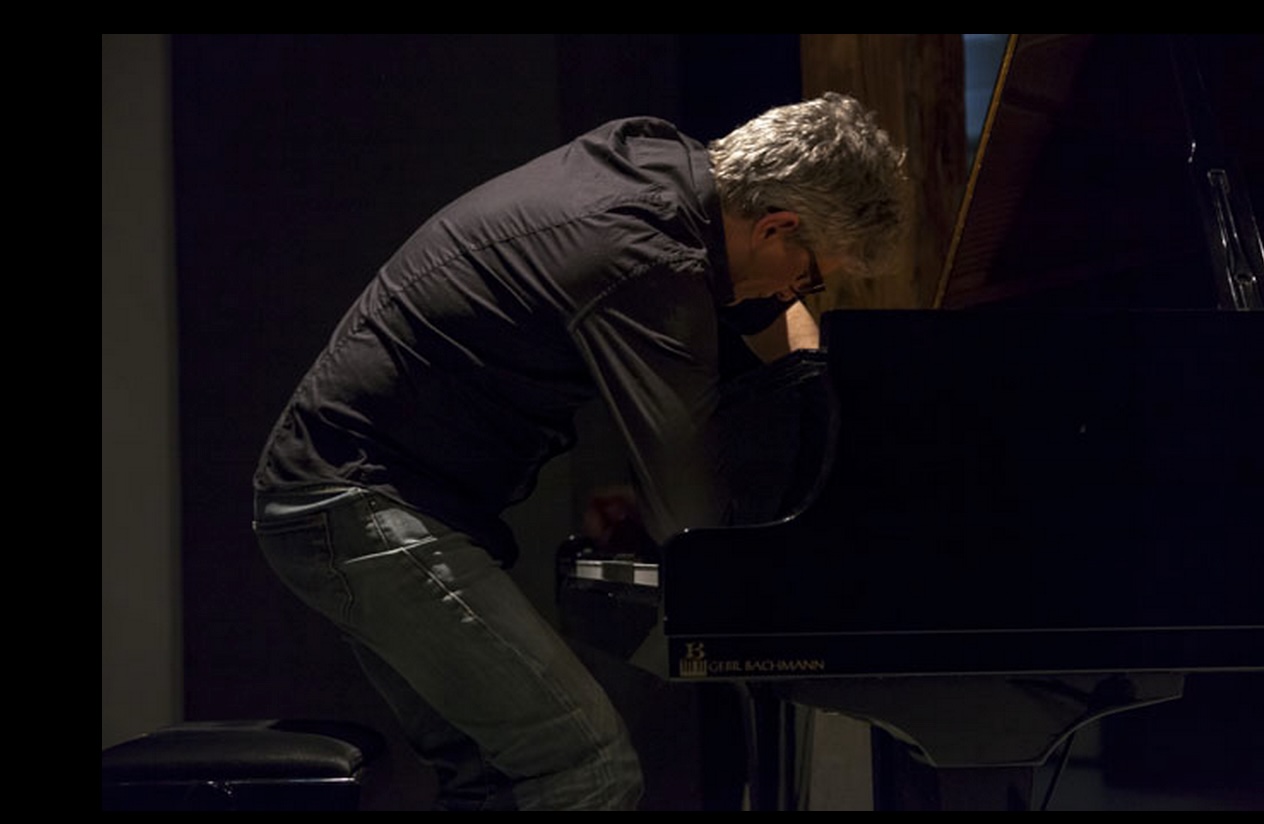
DDK Trio
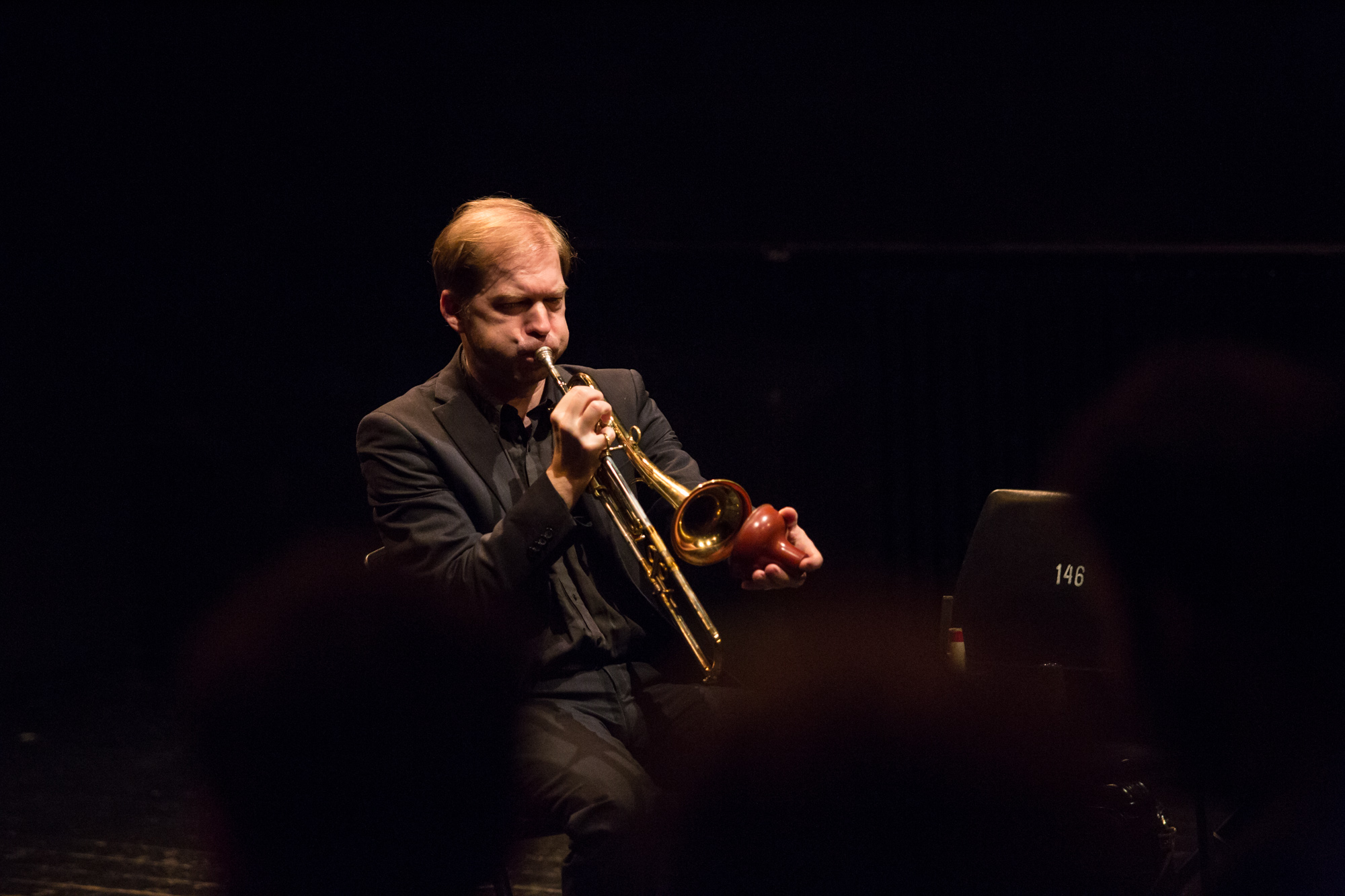
axel dörner trumpet
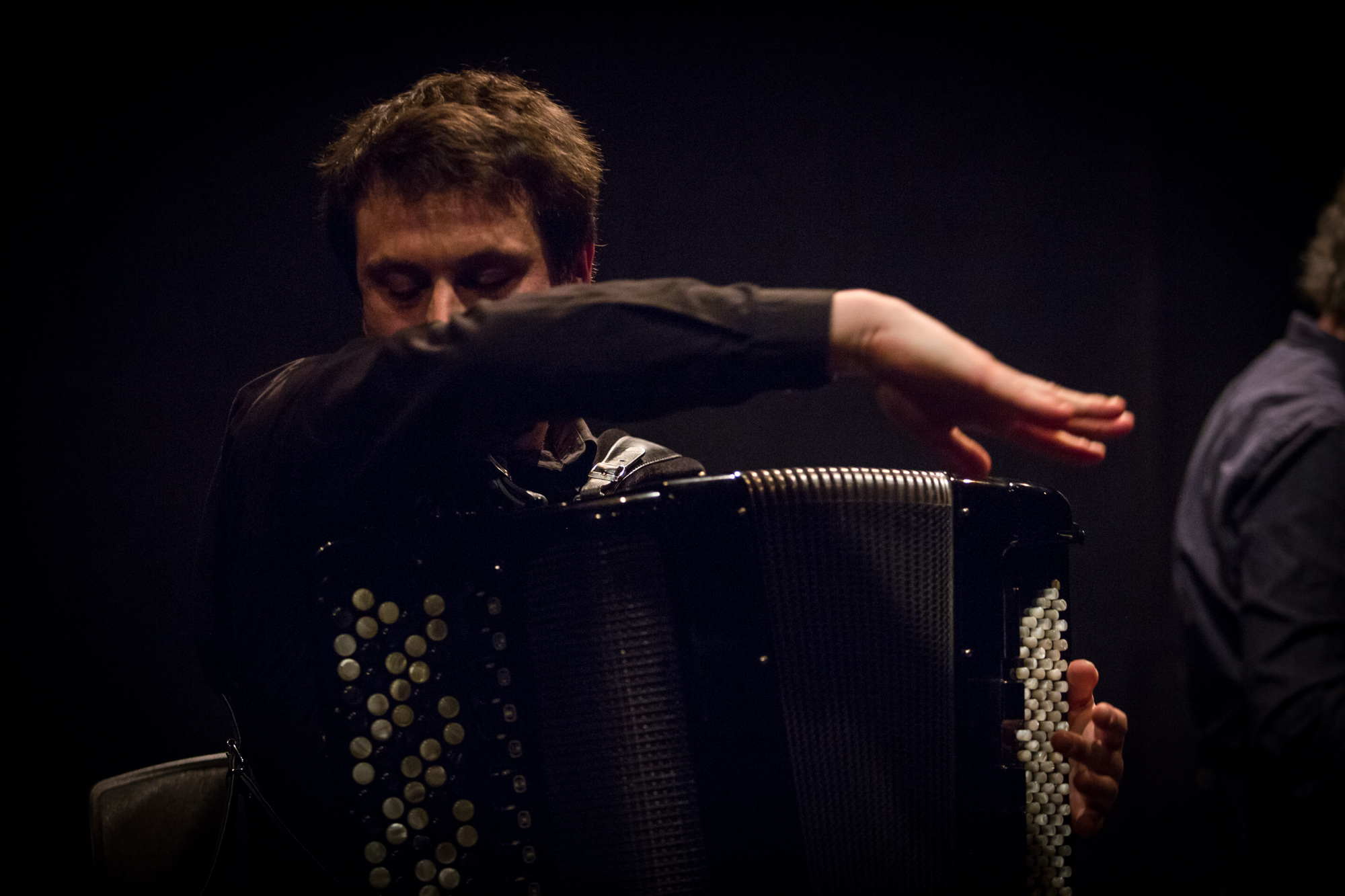
jonas kocher accordion
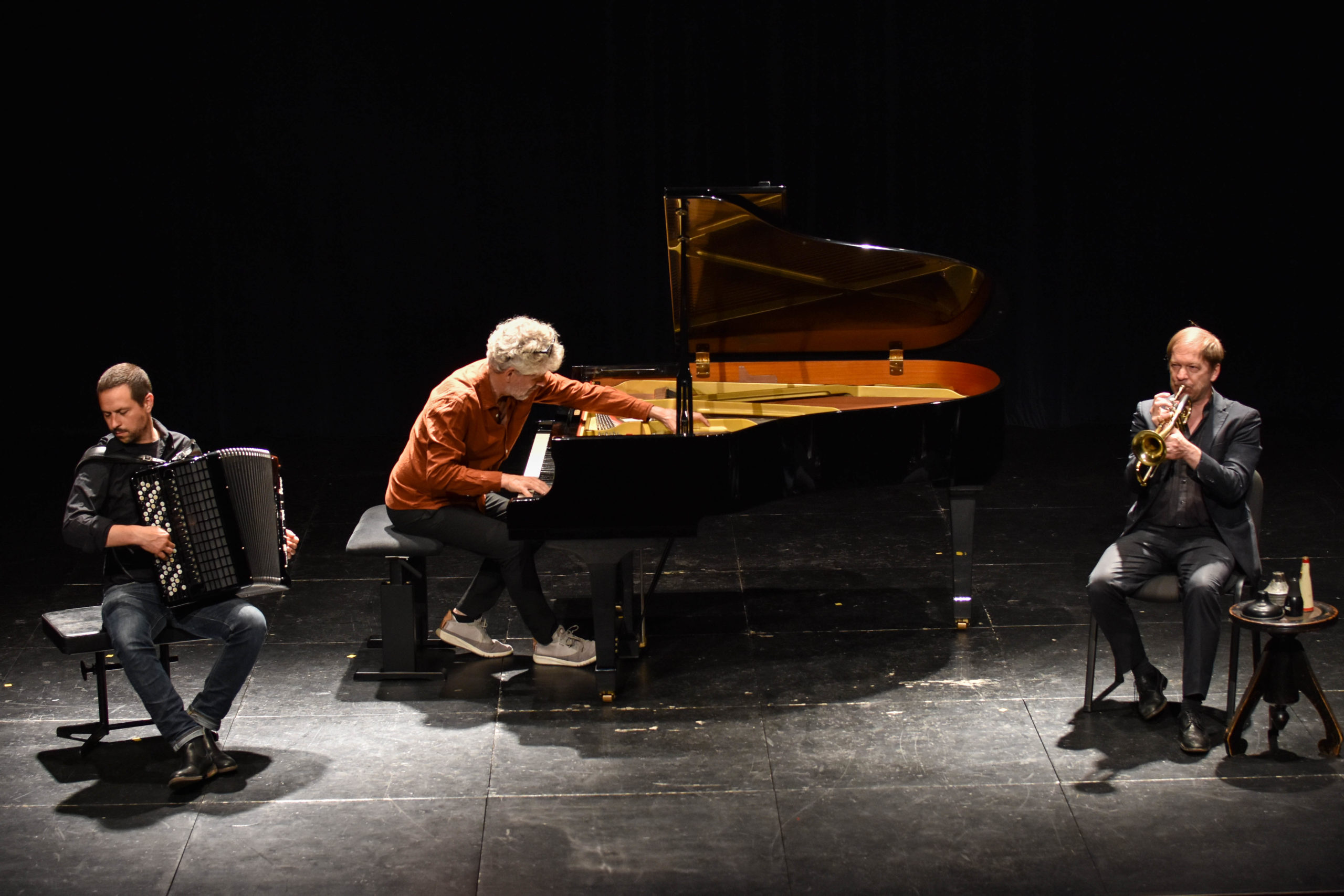
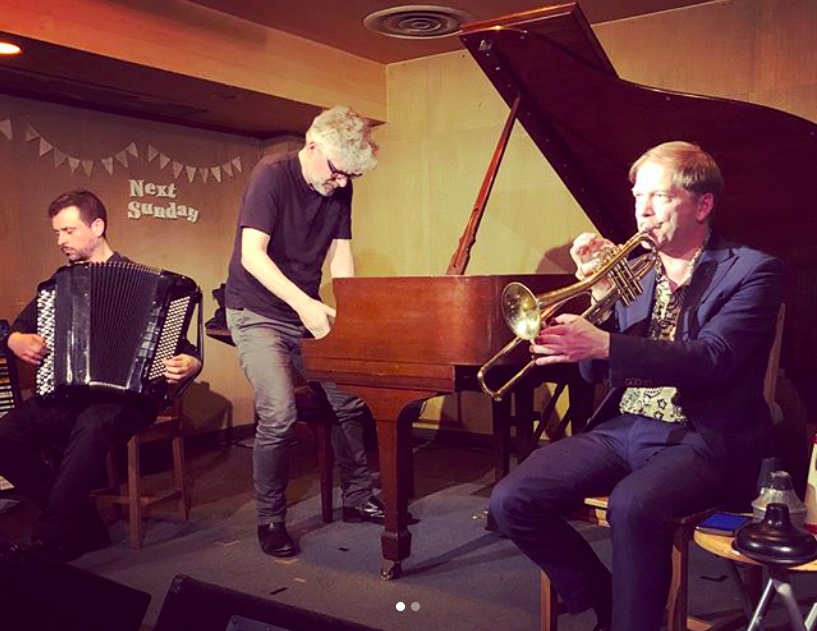
Founded in 2014 by Jacques Demierre at the invitation of the Festival Météo in Mulhouse, France, the DDK Trio brings together Jacques Demierre (piano), Axel Dörner (trumpet), and Jonas Kocher (accordion).
For over 10 years, the ensemble has been developing one of the most innovative approaches in the contemporary experimental music scene. Entirely focused on the moment, their music follows in the tradition of “instant composition” pioneered by Lennie Tristano and embodied by Jimmy Giuffre’s legendary trio.
From silence to the most massive acoustic eruptions, the DDK Trio displays a remarkable expressive range, with constant attention to the precision of musical articulation.
The trio has performed in Europe, Japan, Russia, and Canada. Notable collaborations include the Contrechamps ensemble in Geneva and at the Venice Music Biennale (2019, 2020), as well as the GGRIL ensemble in Rimouski, Quebec (2023).
Their latest album, *A Right to Silence* (Meenna, 2023), was named the “favorite of the year” for 2023 by the Swiss national radio station RTS Espace 2.
Since 2026, a quartet collaboration with the Japanese electronic musician Sachiko M.
« What took place in the first hour of the festival can be described as an experienced and focused implementation of the idea of non-idiomatic music, the pursuit of freedom without the constraints of style and genre.
So, it is an improvisation that is not subjected to the laws of a certain genre, unlike in jazz, traditional music or other styles. Although borders always exist, even in free improvisation, in the example of the music of the DDK Trio, they are in the field of musical ideas (and fundamentals), formed so naturally and fluidly, as if it were a composed work and not a product of moment and artistic skill without score.
Jacques Demierre on piano, Axel Dörner on trumpet and Jonas Kocher on accordion adhere to an approach in which minimalism does not mean modesty, counted in tones and murmurs. It was achieved primarily through focused listening and mutual respect between musicians. Well-known procedures, popular in contemporary musical expression, such are long bordun lines, or work on textures and successfully pushing the boundaries of sound performances of the instrument, were used in the construction of the music, with much attention and skill, even penetrating to the core meaning of such constructive interventions in the fabric of music. Even the pauses exuded tension, achieving a dynamic contrast from the almost inaudible to the maximum conditioned by the nature of their instruments.
The members of the trio function excellently together and that stands out as the biggest advantage – positioning in the space of the sound image, without any dominant or unwarranted individual sticking out. [Tijana Stanković, ARS SONORA, Radio Beograd 2] »